

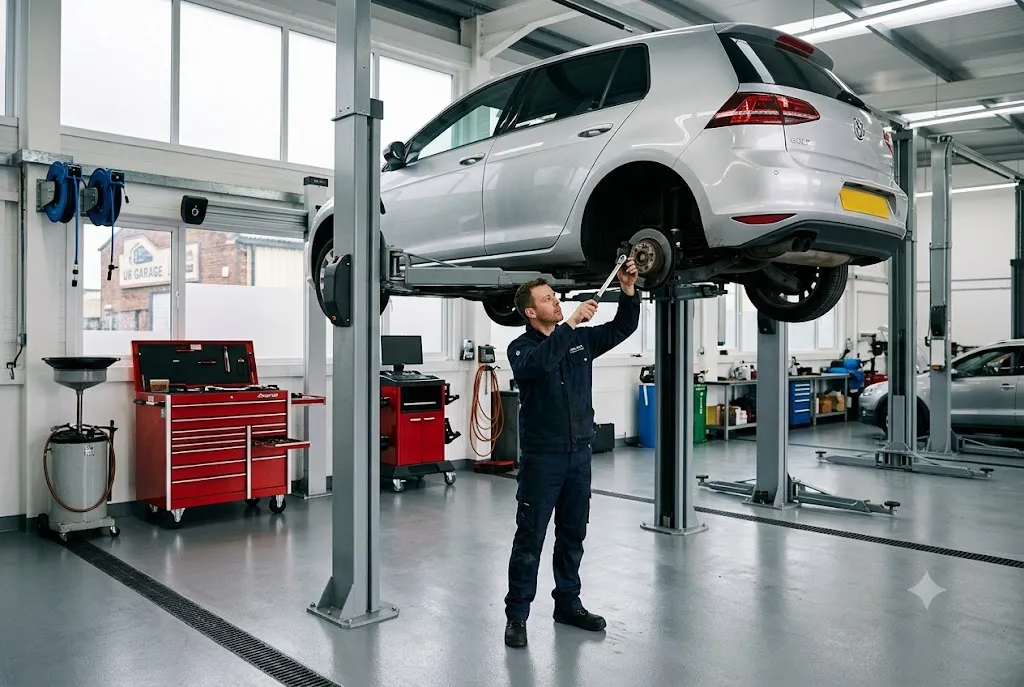
If you’ve ever wondered what is a full car service, you’re not alone. Regular servicing is essential for keeping your vehicle running smoothly, safely, and efficiently. In the UK, a full car service is one of the most comprehensive maintenance options available.
This guide explains what’s included in a full service, how much it costs, and why it’s important for your vehicle.
What Is a Full Car Service?
A full car service is a detailed inspection and maintenance check of your vehicle. It goes beyond a basic or interim service by examining a wide range of components, ensuring everything is functioning correctly.
It is typically recommended once a year or every 12,000 miles, whichever comes first.
What Does a Full Car Service Include?
A full service covers dozens of checks and adjustments. While it can vary slightly between garages, it generally includes:
Engine and Oil
- Oil change and oil filter replacement
- Inspection for leaks or damage
Brakes
- Brake pad and disc inspection
- Brake fluid level check
Tyres and Wheels
- Tread depth and pressure check
- Wheel alignment (if required)
Lights and Electrical Components
- All external and internal lights checked
- Battery condition assessment
Fluids and Filters
- Coolant, power steering, and brake fluid checks
- Air filter replacement
General Inspection
- Suspension and steering components
- Exhaust system
- Drive belts and hoses
For additional peace of mind, some drivers also book a car diagnostic check alongside their service.
How Much Does a Full Car Service Cost in the UK?
The cost of a full car service typically ranges between £150 and £300, depending on:
- Vehicle make and model
- Engine size
- Location and garage pricing
While it may seem like an expense, regular servicing helps prevent costly repairs in the long run.
Full Service vs Interim Service
Understanding the difference can help you choose the right option:
- Interim Service: Basic checks, recommended every 6 months
- Full Service: Comprehensive inspection, recommended annually
You can also combine a service with a free car safety check for added reassurance.
Why Is a Full Car Service Important?
Improves Safety
Regular checks ensure critical systems like brakes and steering are working properly.
Enhances Performance
Replacing worn components helps your car run more efficiently.
Extends Vehicle Lifespan
Routine maintenance prevents long-term damage.
Maintains Resale Value
A full service history can increase your car’s value when selling.
How Often Should You Get a Full Service?
Most manufacturers recommend a full service every 12 months or 12,000 miles. However, this can vary depending on your driving habits.
To stay on track, follow a maintenance schedule like how often to service your car.
Signs Your Car Needs a Full Service
- Unusual engine noises
- Reduced fuel efficiency
- Difficulty starting
- Warning lights on the dashboard
If you notice these issues, it may also be worth booking an auto service near you as soon as possible.
Full Service vs MOT
A full service and MOT are not the same:
- Full Service: Preventative maintenance
- MOT: Legal requirement to ensure roadworthiness
Both are important for keeping your car safe and compliant with UK regulations.
Final Thoughts
Understanding what a full car service is can help you take better care of your vehicle. It’s a vital part of car ownership that ensures safety, reliability, and long-term performance.
For official guidance on vehicle servicing and maintenance, visit the UK car servicing advice.
