

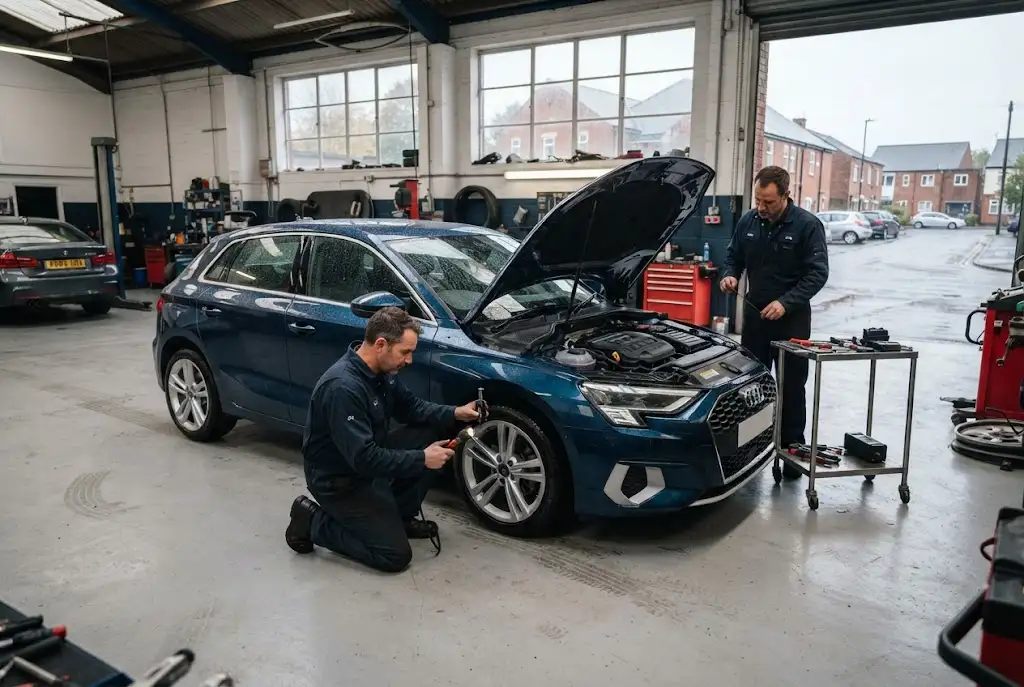
Good vehicle maintenance is about more than booking a service when something goes wrong. UK driving conditions change throughout the year, from cold mornings and wet winter roads to warmer summer journeys and long holiday trips. A simple seasonal routine can help you identify problems early, maintain essential components and keep your car prepared for everyday driving.
Some checks can be carried out at home, while others are better handled by a qualified garage. GOV.UK advises drivers that they are responsible for ensuring their vehicle remains roadworthy, even when it has a current MOT certificate. Regular checks should cover areas such as tyres, lights, brakes, fluids and the battery.
Why Vehicle Maintenance Matters Throughout the Year
Your car does not experience the same conditions in January as it does in July. Cold temperatures can place additional demands on the battery, while heavy rain can affect visibility, braking and tyre grip. During warmer weather, cooling systems and air conditioning can become particularly important.
Seasonal maintenance gives you an opportunity to look at these changing demands before they become more serious problems. It can also complement your normal servicing schedule rather than replace it. Your vehicle handbook should remain the starting point for manufacturer-specific maintenance intervals and recommended fluids.
For drivers preparing for a longer journey, a broader holiday vehicle check can be useful because it brings several routine inspections together before travelling.
Winter Car Check: What to Inspect
A winter car check is particularly useful before temperatures fall and winter weather becomes more frequent. The battery, tyres, coolant, screen wash, wipers and lights all deserve attention.
Battery Checks
Cold weather can make a weak battery more noticeable, especially when the vehicle is being started after sitting outside overnight. Look for signs such as slow engine cranking or electrical problems and consider having the battery professionally tested if its condition is uncertain.
The Highway Code recommends ensuring the battery is well maintained before winter. If the battery warning light appears while driving, it can indicate a charging problem and should be investigated promptly.
Tyre Inspection
Tyres are one of the most important parts of seasonal preparation because they provide the contact between your vehicle and the road. Check pressures when the tyres are cold and follow the manufacturer’s recommended figures. Inspect the tread and look for cuts, bulges or other visible damage.
For cars and light vans, UK regulations require at least 1.6mm of tread across the central three-quarters of the tyre and around its complete circumference. However, legal minimums should not be treated as a target for routine maintenance. Any unusual or uneven wear should be investigated because it can indicate problems elsewhere with braking, suspension or wheel alignment.
Cooling System and Antifreeze
The cooling system needs attention in every season, not just summer. Before winter, check that the coolant level is appropriate and that the correct antifreeze protection is being maintained according to the vehicle manufacturer’s requirements.
Never remove a coolant-system cap while the engine is hot. If you notice a sudden loss of coolant, visible leaks or repeated overheating, arrange a professional inspection rather than repeatedly topping up the system.
Seasonal Servicing for Spring and Summer
As winter ends, seasonal servicing can help identify wear caused by colder weather, road salt, potholes and frequent use of heaters and demisters. This is a good opportunity to inspect tyres, brakes, wipers, suspension components, fluids and exterior lighting.
Summer preparation has its own priorities. Longer journeys, higher temperatures and increased use of climate control can put additional demands on the vehicle. Checking fluid levels and the cooling system is particularly important before extended travel.
If the cabin becomes unusually warm, the air conditioning performs poorly or the system produces unusual smells or noises, a dedicated car air conditioning service may be appropriate rather than simply relying on routine servicing.
Brake Inspection Should Not Be Delayed
Brakes should form part of regular vehicle maintenance throughout the year. Pay attention to changes such as unusual noises, vibrations, a spongy pedal or the vehicle pulling to one side when braking.
GOV.UK advises drivers to make sure their brakes work correctly and notes that a vehicle pulling to one side when braking can indicate a brake fault or incorrectly inflated tyres. A professional vehicle safety check can provide a broader assessment when several warning signs appear together.
Do not wait for a scheduled service if you notice a significant change in braking performance. Safety-related faults should be assessed promptly.
Vehicle Maintenance Before a Holiday Journey
Long-distance driving deserves additional preparation because a small problem can become much more inconvenient when you are far from home. Before setting off, check the tyres, oil, coolant, screen wash, lights and battery. Also make sure your fuel level is suitable for the planned route.
The Met Office recommends checking oil and coolant before long journeys, along with battery condition, wipers, screen wash, tyres, warning lights and relevant emergency equipment. GOV.UK also recommends carrying appropriate equipment when driving in difficult winter conditions.
Your roadside readiness can include an appropriate breakdown arrangement, phone charger, torch, warning equipment and other useful items. If your car has a spare wheel, check its condition and pressure. If it uses a repair kit instead, make sure you know where it is and understand how it works.
Simple Checks You Can Make at Home
Not every part of vehicle maintenance requires specialist equipment. Regular drivers can make several basic visual and functional checks, provided they follow the vehicle manufacturer’s instructions.
- Check tyre pressures and inspect tyres for visible damage.
- Check that headlights, indicators and brake lights are working.
- Inspect windscreen wipers and keep screen wash topped up.
- Check engine oil according to the manufacturer’s procedure.
- Check coolant only when the engine is cool and follow the handbook instructions.
- Pay attention to unusual noises, warning lights, smells or changes in driving behaviour.
- Make sure windows, mirrors and lights are clean before driving.
GOV.UK recommends regular checks of areas including oil, radiator or expansion-tank water, brake fluid, battery, washer fluid and tyres. The required checks and intervals can vary between vehicles, so always consult the handbook for model-specific guidance.
When to Book Professional Seasonal Servicing
Home checks are useful, but they cannot replace professional inspection when a fault is suspected. A garage can examine components that are difficult to assess without specialist tools, including braking components, suspension, charging systems and parts of the cooling system.
Professional seasonal servicing is especially worth considering if you are planning a long journey, have noticed unusual vehicle behaviour, have an ageing battery or have not had the car serviced according to its recommended schedule.
It is also useful to distinguish between an MOT and general maintenance. An MOT checks specific aspects of roadworthiness, but passing an MOT does not mean every maintenance issue has disappeared. Regular servicing and sensible checks remain important between MOT tests.
Build Vehicle Maintenance Into Your Routine
The easiest way to stay on top of vehicle maintenance is to make it part of your normal driving routine rather than treating it as an emergency task. Check the tyres regularly, pay attention to dashboard warnings and carry out additional inspections before major seasonal changes or long journeys.
Keeping a simple record of servicing, repairs and recurring issues can also help you understand the vehicle’s condition over time. If you are considering buying a used car, a more detailed auto inspection service can provide a separate assessment of the vehicle’s condition before purchase.
Ultimately, seasonal car care is about preparation. A few minutes spent checking essential components can help you spot problems before they become inconvenient or potentially unsafe. Combine routine checks with the manufacturer’s servicing recommendations and professional inspections when necessary, and your vehicle will be better prepared for the changing demands of UK roads.
For authoritative UK guidance on roadworthiness, tyre requirements and routine vehicle checks, drivers can refer to the GOV.UK vehicle safety guidance.
