

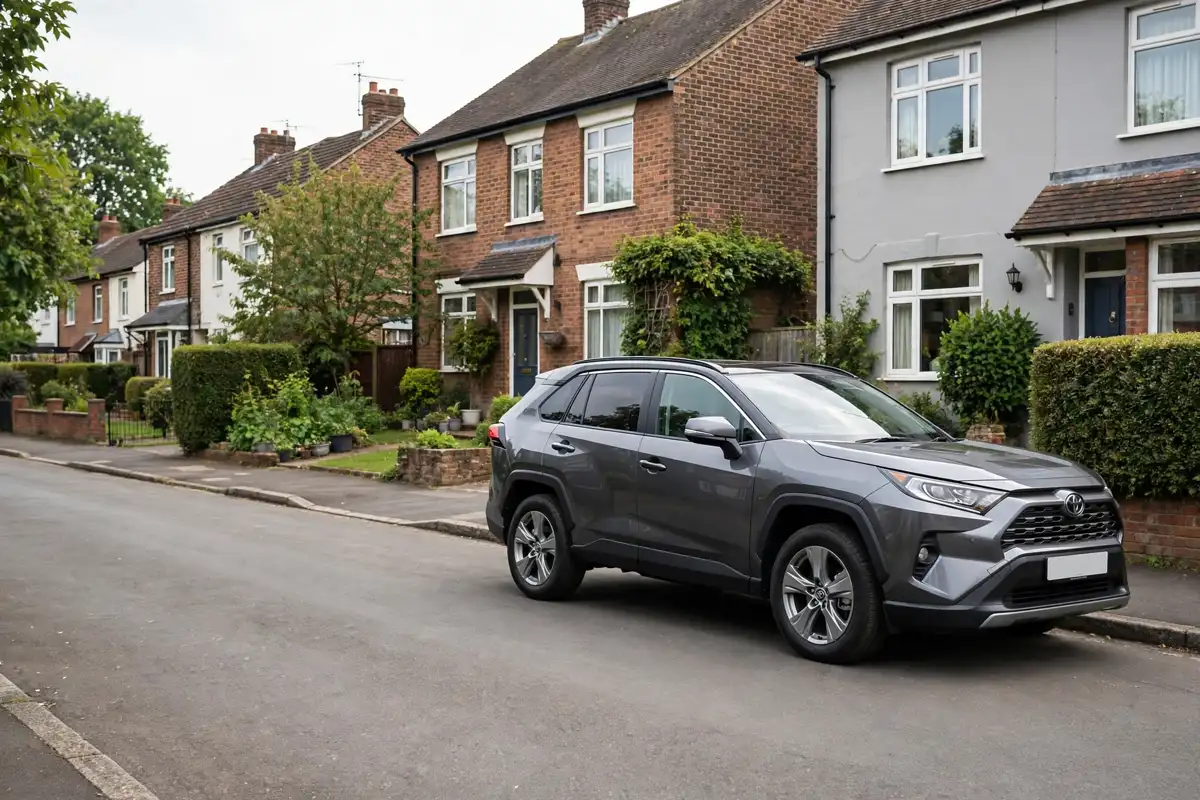
Toyota has built its reputation on cars that start every morning, cost little to run, and hold their value better than most. For UK drivers, everyday Toyota ownership is less about excitement and more about quiet confidence: sensible servicing, predictable costs, and a dealer and independent network that knows these cars inside out. This guide covers what Toyota ownership really involves — Toyota service options, Toyota service cost, fixed price servicing, warranty cover, hybrid servicing, and how to book and plan maintenance without overpaying.
Whether you drive a Yaris, Corolla, C-HR, RAV4 or a hybrid model, the same principles apply. Regular servicing protects reliability, supports resale value, and keeps warranty and safety systems in good order. If you are comparing ownership costs across brands, our guides to car service cost in the UK and family car maintenance give useful context on what drivers typically pay.
Toyota Service: Main Dealer or Independent Garage?
The first decision in Toyota ownership is where to book your Toyota service. A main Toyota dealer offers manufacturer-trained technicians, genuine parts, and software updates, plus a service history stamped by the brand — which helps at resale time, especially for newer cars. Dealers also handle recalls and warranty work, and many offer courtesy cars or while-you-wait appointments.
Independent garages, on the other hand, often charge less for labour and can be more flexible on timing. A good independent that specialises in Japanese cars will service a Toyota perfectly well, and using one does not automatically void your warranty, provided genuine or equivalent-quality parts are used and the service follows Toyota’s schedule. Many owners mix the two: dealer servicing while the car is under warranty, then a trusted independent afterwards. Either way, keep every invoice and stamp — a complete vehicle maintenance record is worth money when you sell.
Toyota Service Cost: What UK Drivers Typically Pay
Toyota service cost varies by model, age and service type, but the pattern is consistent: an interim service (oil, filters and checks) is the cheapest, while a full or major service — covering more items such as spark plugs, coolant and brake fluid — costs more. Small cars like the Yaris sit at the lower end; larger hybrids and SUVs cost more, mainly because they need more oil and more parts.
As a rough guide, budget for an annual service as a fixed running cost, just like insurance and road tax. Skipping services to save money usually backfires: worn oil accelerates engine wear, missed brake checks become expensive repairs, and a gap in the service history knocks value off the car. If money is tight, ask your garage what is essential now and what can safely wait until the next visit — a good garage will prioritise honestly. Our guide to UK car service prices explains how quotes are built up and what to question.
Toyota Fixed Price Servicing and Service Plans
Toyota fixed price servicing is designed to remove guesswork. For cars over a certain age, Toyota offers set prices for interim and full services, so you know the cost before you book. This is particularly useful for older cars, where owners sometimes assume dealer servicing will be expensive and drift to the cheapest option instead.
Service plans spread the cost monthly, which suits drivers who prefer predictable bills. Before signing up, check what is included (some plans cover only basic servicing, not wear items like brakes and tyres) and whether the plan ties you to one dealer group. For many owners, a plan is worth it for budgeting alone — but compare the total plan cost against paying per service, especially if you drive low mileage. A combined MOT and service booking can also save a trip and sometimes a discount.
Toyota Service Warranty: What Is Covered and What Is Not
Toyota’s warranty is one of the strongest selling points of the brand, and servicing plays a direct role in keeping it valid. New Toyotas come with a manufacturer warranty, and in the UK, having your car serviced annually — including with Toyota’s own service-activated warranty scheme on eligible cars — can extend cover significantly, in some cases up to ten years. The key condition is regular servicing at a Toyota dealer or authorised repairer, on schedule.
It is important to understand what warranty does not cover: wear-and-tear items such as brake pads, tyres, wiper blades and clutches are normally excluded, as is damage from neglect or missed services. Keep your service book complete and on time, and read the warranty terms for your model year — cover varies, and the details matter if you ever need to claim. If you are buying used, a full Toyota service history is one of the best indicators of a cared-for car.
Toyota Hybrid Service: What Is Different?
Hybrid models — which now make up most of Toyota’s UK range — need all the same servicing as petrol cars, plus checks specific to the hybrid system: battery health, cooling for hybrid components, and brake system behaviour, since regenerative braking changes how the brakes wear. In practice, hybrid brakes often last longer because the electric motor does much of the slowing down.
Hybrid servicing should always be done by technicians trained on high-voltage systems. The hybrid battery itself is designed to last the life of the car, and Toyota’s battery warranty gives extra reassurance, but the annual hybrid health check is what keeps that cover in force. Ask for the hybrid health check report at each service — it is a useful document when selling, and it confirms the battery is performing as it should. For day-to-day care, the same rules apply as any car: regular auto services and prompt attention to warning lights.
Toyota Service Booking: How to Get the Best Experience
Toyota service booking is straightforward: most dealers offer online booking, and many independents do too. Book early for Saturday slots and before holiday periods, when garages are busiest. When booking, mention any concerns — unusual noises, warning lights, or changes in fuel economy — so the garage can allow time to investigate rather than discovering issues mid-service.
Before you drop the car off, note the mileage, remove valuables, and ask for an estimate in writing, including whether a courtesy car or collection service is available. After the service, check the invoice against what was agreed, confirm the service book or digital record is updated, and keep the paperwork with the car. If anything on the invoice surprises you, ask before you pay — reputable garages explain their work without fuss.
Everyday Toyota Ownership: Habits That Keep Costs Down
Beyond servicing, small habits make Toyota ownership cheaper and easier — and keeping up with each Toyota service on schedule is the single most effective one. Check tyre pressures monthly — under-inflated tyres waste fuel and wear faster. Keep an eye on fluid levels between services, especially oil and coolant. Wash the car regularly, including the underside in winter, to slow corrosion. And deal with small issues early: a squeaking brake or a slow puncture is always cheaper to fix this week than next month.
Finally, remember that Toyota ownership is a long game. These cars reward steady care with long life and strong resale values, and the UK market reflects that: well-maintained Toyotas with full histories sell quickly. Pair sensible servicing with the broader habits in our common car repairs guide and UK driver maintenance guide, and everyday Toyota ownership stays exactly what it should be — uneventful, affordable, and reliable.
