

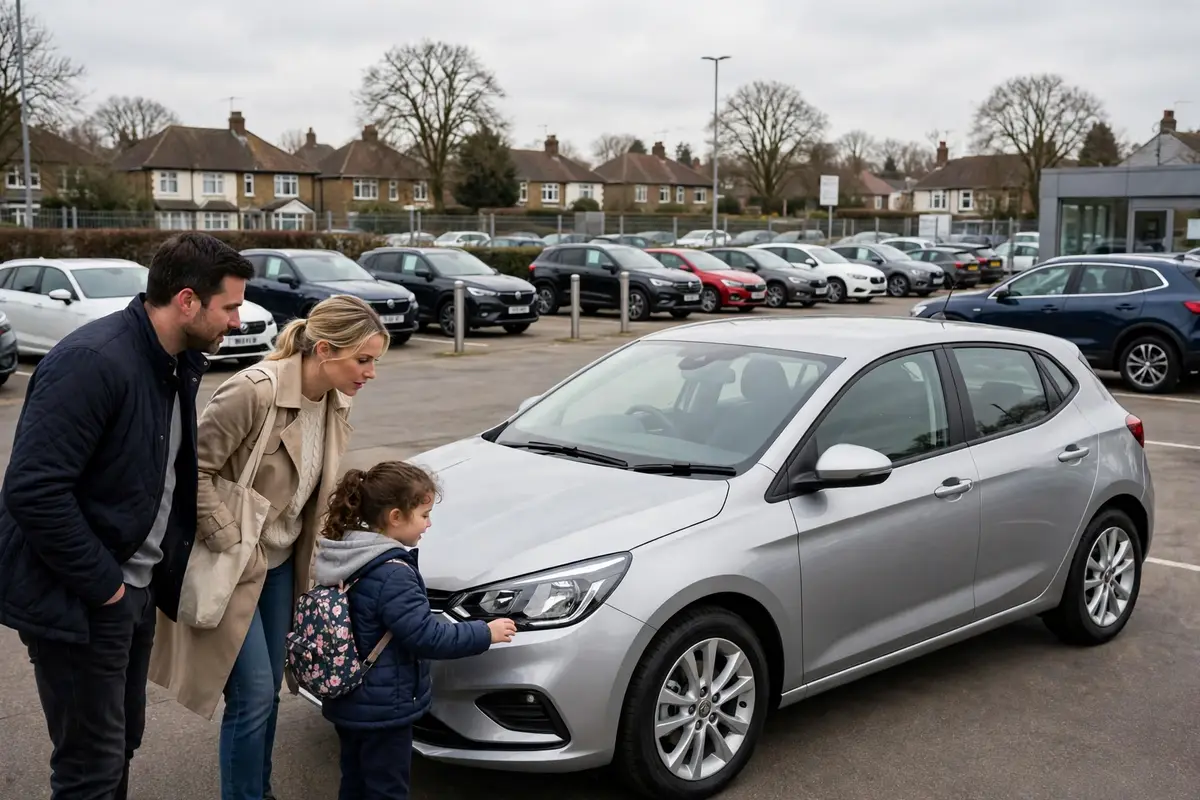
Buying a car is one of the biggest purchases most families make, and for a growing number of UK households, used cars are the sensible way to get more vehicle for the money. A nearly-new family car can cost thousands less than the same model bought new, yet still offer modern safety kit, good fuel economy and years of reliable service. The catch is that no two used cars are alike: one may have been cherished by a careful owner, while another hides a hard life behind a polished bonnet. This guide walks you through how to choose, check and buy a used family car with confidence, from setting your budget to driving away.
Why Used Cars Make Sense for Families
New cars lose a large slice of their value in the first couple of years, which means the first owner absorbs the steepest depreciation. When you buy used, someone else has already taken that hit, and your money goes further: a budget that buys a basic new hatchback could instead stretch to a larger, better-equipped family estate or SUV a few years older. Running costs often compare well too, because insurance groups and parts prices for popular models are well understood. For families, the priority list is usually space, safety and reliability, and the used market offers plenty of choice in all three. If you are weighing up how the purchase fits your household budget, our guide to car finance and managing vehicle costs explains the main ways drivers spread the cost.
Set a Realistic Budget Before You Look
It is easy to fall for a car and then discover the true cost of owning it. Before you browse a single advert, work out the full picture: the purchase price, insurance, road tax, fuel, servicing and a sensible reserve for wear-and-tear items such as tyres and brakes. Family cars that look cheap to buy can be expensive to run if they sit in a high insurance group or need specialist parts. Decide on a maximum figure and stick to it, because there will always be another car. Think about how you will use the car as well. Short school runs and shopping trips favour a petrol or hybrid model, while long motorway commutes may suit a diesel or an efficient hybrid. If most of your journeys are local, our article on preparing your car for road trips also covers the checks worth doing before any long family drive.
Do not forget the child-specific practicalities either. Check that child seats fit properly in the rear, that the boot genuinely swallows a pushchair alongside the weekly shop, and that rear doors open wide enough for loading toddlers in tight car parks. Sliding doors and a low boot lip, unglamorous as they sound, are the features families end up valuing most. A car that fits your daily routine will always serve you better than one bought purely on looks or badge.
Where to Buy: Dealers, Private Sellers and Online
Each route to buying used cars has its own balance of price and protection. Franchised and independent dealers usually charge more, but the car will typically be prepared, checked and sold with some form of warranty, and your purchase is covered by consumer law. Private sellers are often cheaper, yet the legal protection is thinner: the car must match its description, but there is no requirement for it to be free of faults beyond that. Online marketplaces have made searching far easier, letting you compare prices for the same model across the whole country. Our guide to AutoTrader UK and stress-free car shopping shows how to search effectively and spot adverts that deserve a closer look. Whichever route you choose, never buy a car you have not seen and driven, and be wary of any seller who discourages an inspection.
Checks That Protect You: History and Paperwork
A car’s paperwork tells a story, and you want to read it before money changes hands. Ask to see the V5C registration document and check that the seller’s name and address match, and that the vehicle identification number on the document matches the plates on the car itself. A full service history, ideally with stamps or invoices from recognised garages, suggests the car has been maintained on schedule; our car service checklist explains what should have been done at each visit. You can check the MOT history of any UK car free of charge using the official government service, which reveals past failures, advisories and recorded mileage. A paid history check is also worthwhile, as it can flag whether the car has been written off, has outstanding finance, or has been reported stolen. Finally, read our detailed guide to vehicle inspection when buying a used car, which covers the physical checks in depth.
Inspecting and Test-Driving the Car
Always view the car in daylight and, if possible, when it is dry, because rain hides scratches and dents. Walk around slowly and look for mismatched paint, uneven panel gaps and tyres that differ in brand or wear, all of which can hint at repairs or hard use. Inside, check that every switch, light and window works, test the air conditioning, and make sure the warning lights on the dashboard come on with the ignition and go out once the engine starts. On the test drive, use a mix of roads. The engine should start easily from cold, pull smoothly and idle quietly. Brakes should feel firm and stop the car in a straight line, the steering should not pull to one side, and there should be no knocks or grinding sounds over bumps. Take your time: a seller who rushes you is a reason to walk away, and our guide to MOT and servicing will help you judge what any advisories you find are likely to cost.
Final Steps: Haggling, Payment and Driving Away
Found the right car? A polite negotiation is normal, especially if your inspection uncovered items the advert did not mention, such as worn tyres or a service that is due. Base your offer on those genuine costs rather than guesswork. Pay in a way that leaves a record, and avoid carrying large amounts of cash. Before you drive away, arrange insurance so you are covered from the moment you take the keys, and make sure the seller completes the new keeper section of the V5C or the online transfer. Keep every document safe, as a tidy history file will help when you eventually sell the car on. With a clear budget, careful checks and a patient approach, used cars can give a family years of dependable motoring for far less than buying new, and that is money better spent on the journeys themselves.
