

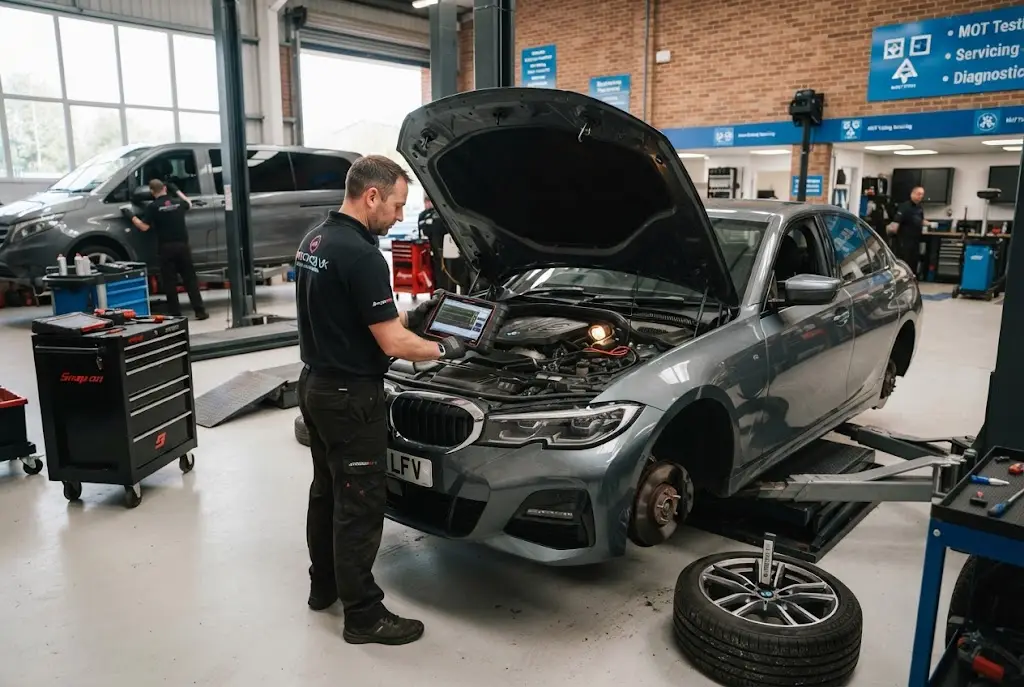
Auto inspection services can provide a more detailed assessment of a vehicle when a basic visual check is not enough. They can be useful when buying a used car, investigating an unexpected problem, checking a vehicle before a long journey or simply establishing its general condition.
A professional inspection can examine areas such as tyres, brakes, steering, suspension, fluids, bodywork and other mechanical or electrical components, depending on the type of inspection requested. However, the exact scope varies between providers, so it is important to understand what is included before booking.
For UK drivers, an inspection should be viewed as part of responsible vehicle ownership rather than a replacement for an MOT or manufacturer-recommended servicing.
What Are Auto Inspection Services?
Auto inspection services are professional assessments designed to identify the condition of a vehicle and highlight visible, mechanical or diagnostic issues within the scope of the inspection.
The inspection may be relatively basic or highly comprehensive. Some providers focus on a pre-purchase assessment, while others offer inspections covering mechanical condition, roadworthiness, diagnostics and general vehicle condition.
A typical inspection may consider:
- Tyres and wheels
- Brakes
- Steering and suspension
- Engine and fluid condition
- Lights and electrical equipment
- Bodywork and exterior condition
- Interior condition and equipment
- Warning lights and diagnostic information
- Signs of leaks or previous damage
The inspection checklist should always be confirmed with the provider because not every service includes the same tests or components.
When Should You Book a Vehicle Inspection?
There are several situations where a vehicle inspection can provide useful information.
Before Buying a Used Car
A pre-purchase inspection can help you understand the condition of a vehicle before committing to a purchase. This is particularly relevant when buying privately, where you may have less information about the vehicle’s maintenance history.
When a Car Develops New Symptoms
Unusual noises, vibration, changes in steering, braking problems, warning lights or fluid leaks can all justify further investigation. An inspection may help identify whether the issue is isolated or part of a wider problem.
Before a Long Journey
If you are planning extensive driving and have concerns about an older or heavily used vehicle, a professional inspection can provide additional reassurance. It can complement routine road trip car maintenance checks before departure.
After an Impact
A significant pothole, kerb impact or other incident can sometimes affect tyres, wheels, alignment, suspension or steering. If the vehicle behaves differently afterwards, professional assessment is preferable to relying only on a visual inspection.
Pre-Purchase Inspection for Used Cars
A pre-purchase inspection is designed to help a potential buyer understand the condition of a vehicle before completing the transaction.
The inspection can identify issues that may not be obvious during a short test drive. Depending on the service, a technician may inspect mechanical components, tyres, brakes, suspension, bodywork and other relevant areas.
However, an inspection cannot guarantee that a vehicle will remain trouble-free after purchase. It is an assessment of the vehicle at a particular point in time and within the limits of the inspection.
Buyers should also review the vehicle’s documentation, MOT history and service records separately. GOV.UK provides services for checking MOT history and vehicle information before purchasing a used vehicle. ([gov.uk](https://www.gov.uk/check-mot-history?utm_source=chatgpt.com))
Independent Inspection vs Seller’s Inspection
An independent inspection can be useful when the person assessing the vehicle has no financial interest in completing the sale. The buyer can arrange for the inspection to be performed independently rather than relying solely on the seller’s description.
This does not mean that every seller’s inspection or garage report is unreliable. Instead, the key consideration is understanding who performed the assessment, what was checked and whether the report provides enough information for your decision.
Ask for the inspection scope in advance. A report that checks only a limited number of components should not be interpreted as a comprehensive mechanical assessment.
What Does a Professional Vehicle Inspection Check?
The precise inspection depends on the package selected, but several areas are commonly relevant.
Brakes
The technician may assess visible brake components and braking performance, depending on the inspection type. Changes such as unusual noises, vibration or pulling should be highlighted because braking condition is directly relevant to vehicle safety.
For broader safety preparation, a dedicated vehicle safety check can focus specifically on critical systems affecting safe driving.
Tyres and Wheels
Tyre condition, tread, pressure and visible damage can all provide important information. Uneven wear can also indicate possible alignment, suspension or other mechanical issues.
UK law requires cars and light vehicles to have at least 1.6mm of tread across the central three-quarters of the tyre and around its complete circumference. ([gov.uk](https://www.gov.uk/check-vehicle-safe?utm_source=chatgpt.com))
Steering and Suspension
Steering and suspension components can affect handling, ride quality and tyre wear. A professional inspection can examine components that are difficult for an average buyer to assess accurately.
Signs such as excessive vibration, unusual noises, uneven tyre wear or changes in handling should not be dismissed when evaluating a used vehicle.
Engine and Fluid Condition
An inspection can include checks of visible leaks, fluid levels and the general condition of accessible engine components. The exact mechanical assessment depends on the service provider and whether specialist diagnostic testing is included.
Electrical Systems and Warning Lights
Modern vehicles rely on numerous electronic systems. A dashboard warning light can indicate a problem that is not visible from the outside.
Where diagnostic equipment is included, a technician may be able to retrieve stored fault information. However, diagnostic codes should be interpreted alongside the vehicle’s symptoms and physical condition rather than treated as a complete diagnosis by themselves.
Diagnostic Check as Part of an Inspection
A diagnostic check can be particularly useful for modern vehicles because electronic control units monitor many systems. Diagnostic equipment can identify stored or active fault codes and provide additional information to a technician.
It is important to understand what a diagnostic scan can and cannot tell you. A scan is not necessarily a complete mechanical inspection. A vehicle can have physical wear or damage without producing a relevant electronic fault code.
For that reason, diagnostic testing is often most useful when combined with physical inspection and a discussion of the vehicle’s symptoms.
Understanding a Vehicle Condition Report
A vehicle condition report should explain what was inspected and identify issues found during the assessment. Before booking, ask whether the provider supplies a written report and whether photographs or supporting information are included.
A useful report should make it easier to distinguish between immediate concerns, maintenance items and observations that may require monitoring. The terminology used by inspection providers can differ, so ask for clarification if a finding is unclear.
For a used-car buyer, the report can also provide a practical basis for discussing repairs or negotiating with the seller. It should not, however, be treated as a guarantee of future reliability.
Auto Inspection Services and the MOT
An MOT and professional inspection are not interchangeable. An MOT test assesses whether a vehicle meets specific legal requirements at the time of the test. A separate inspection can have a broader or different purpose depending on the service.
GOV.UK explains that an MOT checks aspects of vehicle safety and environmental standards, while its vehicle safety guidance makes clear that drivers remain responsible for ensuring their vehicle is safe to drive between tests. ([gov.uk](https://www.gov.uk/getting-an-mot/mot-test-fees?utm_source=chatgpt.com))
A recent MOT pass therefore does not remove the need to investigate a new fault or assess a vehicle before buying it.
How to Prepare for an Independent Vehicle Inspection
If you are arranging an inspection before buying a car, gather as much information as possible before the appointment. Ask the seller for the registration number and, where appropriate, the vehicle identification number, service documentation and available maintenance records.
Check the MOT history separately through the official government service. Look at previous advisories and failures, while remembering that MOT information represents the vehicle’s condition and test results at particular points in time.
If the seller is unwilling to allow an independent inspection, consider why the inspection is being restricted before proceeding with the purchase.
Questions to Ask an Inspection Provider
Before booking auto inspection services, ask a few straightforward questions:
- What components are included in the inspection?
- Is the inspection visual, mechanical, diagnostic or a combination?
- Will the vehicle be road-tested if appropriate?
- Is a written condition report provided?
- Are photographs included?
- Does the inspection cover previous accident damage?
- Are diagnostic checks included?
- Are there any components the technician cannot inspect?
- Will urgent and non-urgent findings be distinguished?
These questions help you compare services based on their actual scope rather than simply choosing the inspection with the lowest advertised price.
How Inspections Fit Into Regular Car Maintenance
An inspection should complement normal maintenance. Routine servicing addresses scheduled maintenance requirements, while an inspection can provide a snapshot of the vehicle’s current condition or investigate a specific concern.
Seasonal checks are also useful. Our guide to seasonal vehicle maintenance covers areas such as tyres, brakes, batteries and cooling systems that deserve attention as UK weather conditions change.
Likewise, drivers preparing for a holiday can combine an inspection with their holiday vehicle checks, particularly if the vehicle has recently shown signs of wear or has not been driven long distances for some time.
What an Inspection Cannot Guarantee
No inspection can predict every future mechanical failure. Components can deteriorate after the inspection, intermittent faults may not appear during a limited assessment and some areas may not be accessible without specialist dismantling.
This is especially important when purchasing a used car. An inspection provides additional information; it does not eliminate the need for sensible due diligence.
Read the inspection provider’s terms carefully and understand any limitations before relying on the report.
Choosing the Right Auto Inspection Service
The right inspection depends on why you need it. A buyer considering an expensive used vehicle may want a comprehensive independent assessment, while an existing owner investigating a warning light may need diagnostic testing alongside mechanical inspection.
Look for a provider that clearly explains its inspection scope, qualifications, reporting process and limitations. Avoid assuming that a service labelled “full inspection” includes every possible mechanical or electronic test.
If you understand what you are paying for, the resulting report is more likely to provide useful information for your particular situation.
Use Auto Inspection Services as Part of Better Vehicle Care
Auto inspection services can be valuable when you need more information about a vehicle’s current condition. They can support used-car purchases, investigate unexpected symptoms and provide an additional assessment before significant journeys or after an impact.
The most useful inspection is one that matches the reason for booking it. Ask what will be checked, whether diagnostics are included, what the report covers and what limitations apply. For buyers, combine the inspection with official MOT history and documentation checks. For existing owners, use the findings alongside routine servicing and maintenance.
A professional inspection cannot guarantee future reliability, but it can give drivers a clearer picture of the vehicle at the time it is assessed. Used appropriately, it is another practical tool for making informed vehicle maintenance and ownership decisions.
For official information about MOT history and vehicle safety responsibilities in the UK, use the relevant GOV.UK MOT history service and vehicle safety guidance.
