

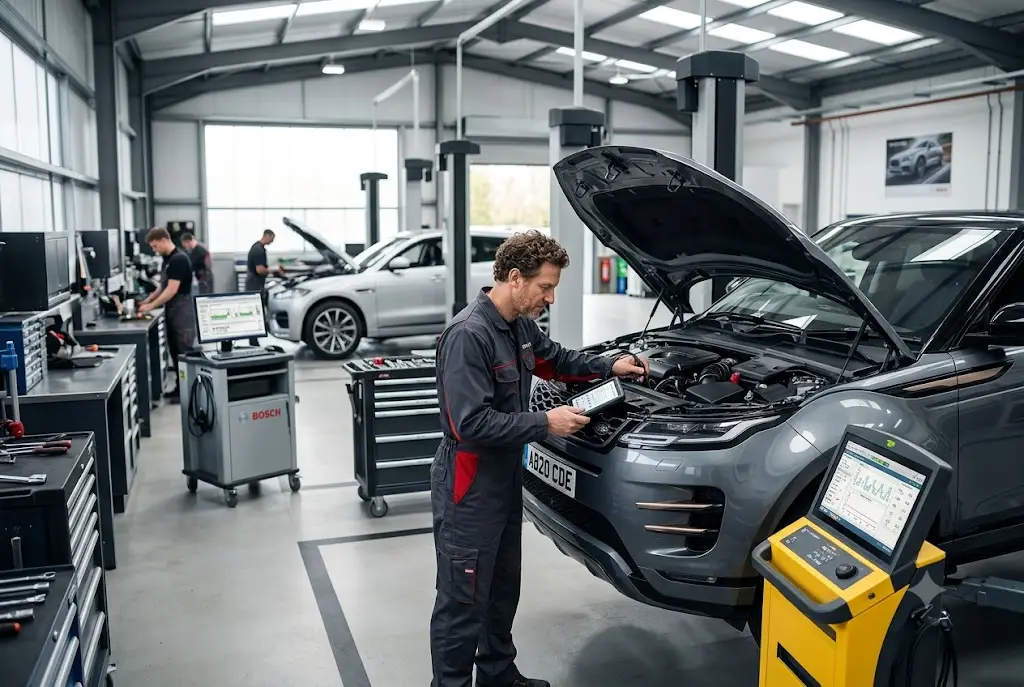
Understanding what is a full car service is essential for every vehicle owner in the UK. Whether you drive daily for work or only occasionally, regular servicing plays a critical role in maintaining your car’s performance, safety, and long-term reliability. Yet many drivers are unsure what happens during a full service, what it includes, and how it differs from other service types.
This guide explains everything you need to know about full car servicing in the UK, including what you get in a full car service, why it matters, and how it fits into your overall vehicle maintenance routine.
What Is a Full Car Service?
A full car service is a comprehensive inspection and maintenance check of your vehicle carried out by a professional mechanic. It goes beyond basic oil changes and includes detailed checks of key components such as the engine, brakes, suspension, and electrical systems.
In simple terms, a full service ensures your car is running efficiently, safely, and in line with manufacturer recommendations. It is one of the most important types of car service and is typically recommended annually or after a certain mileage.
What Does a Full Service Include in the UK?
One of the most common questions drivers ask is: what does a full service include UK? While the exact checklist can vary slightly between garages, most full services follow a standard structure.
Engine and Oil Checks
The engine is the heart of your car, so it receives significant attention. Mechanics will:
- Replace engine oil
- Install a new oil filter
- Check for leaks and wear
Brake Inspection
Brakes are critical for safety. A full service typically includes:
- Brake pad and disc inspection
- Brake fluid level check
- Brake system performance review
Fluid Top-Ups
Your vehicle relies on several fluids to function properly. During a full service, technicians will check and top up:
- Coolant
- Brake fluid
- Windscreen washer fluid
- Power steering fluid (if applicable)
Tyres and Suspension
Tyres and suspension affect handling and safety. The service includes:
- Tyre condition and tread depth check
- Tyre pressure adjustment
- Suspension inspection
Battery and Electrical Components
Electrical reliability is essential, especially in modern vehicles. Checks include:
- Battery condition and charge
- Lights and indicators
- Wiring and connections
Air and Cabin Filters
Filters are replaced or cleaned to ensure proper airflow and engine efficiency:
- Engine air filter
- Cabin (pollen) filter
What Happens During a Car Service?
When you take your car for servicing, the mechanic follows a structured inspection process. They assess both visible and hidden components, identify wear and tear, and carry out necessary replacements or adjustments.
Modern garages may also use advanced diagnostics. If you’re unsure about your vehicle’s condition, combining a full service with a car diagnostic near me check can help identify deeper issues early.
Types of Car Service Explained
To fully understand what is full service car, it helps to compare it with other service types:
Interim Service
This is a basic check usually done every 6 months or 6,000 miles. It covers essential components but is less detailed than a full service.
Full Service
A complete inspection and maintenance routine recommended every 12 months or around 12,000 miles.
Major Service
A more extensive version of a full service, often including additional parts replacements such as spark plugs and fuel filters.
Choosing the right type depends on your driving habits, vehicle age, and manufacturer guidelines.
Why Is a Full Car Service Important?
A full service is not just a routine task—it’s an investment in your vehicle. Here’s why it matters:
Improved Safety
Regular checks ensure that critical components like brakes and tyres are functioning properly, reducing the risk of accidents.
Better Performance
Servicing keeps your engine running smoothly, improving fuel efficiency and overall driving experience.
Cost Savings
Identifying issues early can prevent expensive repairs later. For example, a small oil leak detected during servicing could save you hundreds of pounds in engine damage.
Higher Resale Value
A well-maintained service history increases your car’s value when selling or trading it in.
How Often Should You Get a Full Service?
Most UK drivers should book a full service once a year or every 12,000 miles, whichever comes first. However, this can vary depending on your vehicle and driving conditions.
If you’re unsure, it’s worth reading our detailed guide on how often to service your car to plan your maintenance schedule effectively.
Full Service vs MOT: What’s the Difference?
A common misconception is that an MOT and a full service are the same. In reality, they serve different purposes:
- MOT: A legal requirement that checks roadworthiness and emissions
- Full Service: A voluntary but essential maintenance process
For maximum safety and convenience, many drivers book both together at a trusted auto service near me centre.
How Much Does a Full Car Service Cost in the UK?
The cost of a full service in the UK typically ranges from £150 to £300, depending on factors such as:
- Vehicle make and model
- Garage location
- Service provider
Premium brands may cost more, so if you drive a luxury vehicle, it’s worth checking brand-specific pricing like Audi service costs in the UK.
Final Thoughts
A full car service is one of the most important aspects of vehicle ownership. It ensures your car remains safe, efficient, and reliable while helping you avoid unexpected repair costs.
By understanding what includes in full car service and staying consistent with your maintenance schedule, you not only protect your investment but also enjoy peace of mind on every journey.
For official servicing recommendations, you can refer to the UK government MOT and vehicle maintenance guidance, which provides helpful insights into keeping your car roadworthy.
